
By Jonathan Line • March 2026
As an industrial designer, I’ve learned that design is not only about solving problems, but about creating meaning. We’re trained to think critically about usability, efficiency, and form, but true design goes deeper than that. After taking an Aesthetic Intelligence course, I began to understand that good design strikes a balance between functionality and emotional resonance. The products that stay with us aren’t just effective; they connect to something more human.
Emotion often sits on the edges of design conversations. We analyze behaviour and ergonomics and perfect the logic of systems, but we sometimes overlook the subtler dimensions of user experience — the emotional cues that make interactions feel natural, reassuring, or inspiring. Function makes something usable, but emotion makes it memorable. It transforms a simple task into an experience.
I began noticing this while observing how people interact with familiar objects (kitchen tools, furniture, and personal accessories). A chair, for instance, does more than provide a place to sit. Its materials, proportions, and stance convey a mood. It can feel open and welcoming or rigid and formal. These emotional reactions aren’t accidents; they’re shaped through design intent. When viewed through a holistic lens, emotion becomes an integral design material — something we can shape as deliberately as form or texture.
Designing holistically means understanding that every element (physical, sensory, digital, and behavioural) contributes to the user experience. It’s about designing not just for use, but for context, emotion, and meaning. That might mean selecting materials that invite touch, adjusting the lighting to influence the mood, or refining transitions so that interactions feel intuitive. These small details accumulate to create experiences that feel thoughtful and alive.
This approach isn’t about decorating functionality with emotion; it’s about designing with empathy from the beginning. Every decision, from curvature to interface rhythm, communicates something. As designers, we decide whether that message conveys attentiveness or indifference. Asking questions like “How should this make someone feel?” alongside “How should this work?” broadens our perspective and strengthens our outcomes.
Industrial design has long been situated at the intersection of art, engineering, and psychology. Today, it also intersects with UX design, sustainability, and systems thinking. Our discipline is evolving toward a more holistic practice — one that values both emotional intelligence and technical precision. When we design with emotion and experience in mind, we create not only effective tools, but also lasting relationships between people and the things they use every day.
Ultimately, this is what gives design its depth. Function ensures performance, but emotion ensures purpose. When considered together, they transform design from something we use into something we feel. And in that connection lies the true power of what we create.
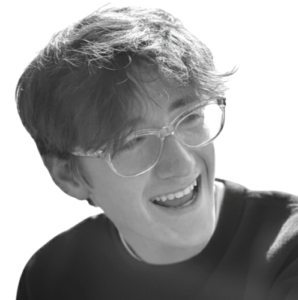
About Jonathan Line
Jonathan Line is a senior studying Industrial Design at Iowa State University, where he explores the intersection of function, emotion, and user experience. His work focuses on creating products that strike a balance between technical precision and human connection. Jonathan is particularly interested in how emotional intelligence and aesthetic awareness can shape more meaningful design outcomes.