
By Kelly Ndanga • March 2026
Ever thought about how much a closet can tell you? How much identity can it hold without ever saying a word?
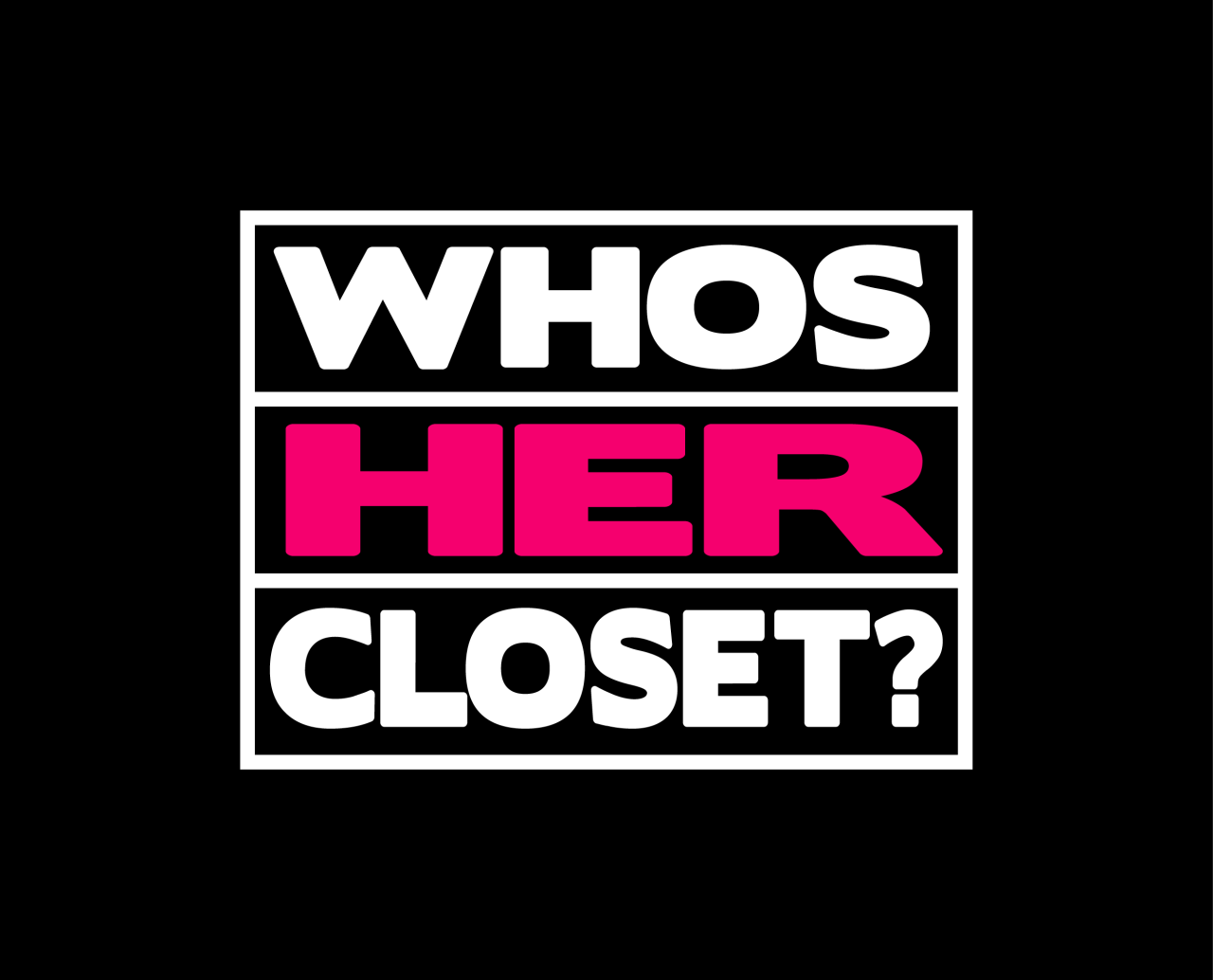
“Whos Her Closet?” is a newly launched online thrifting company that was never meant to be immediately understood. The name leaves something unresolved because clarity isn’t always the point. Most brands strive to define themselves, to tell the world who they are, who they’re for, or how they want to be read. This one works differently. It behaves like a first impression: you notice it before you understand it. The question lingers, and meaning unfolds slowly.
Think about how we read people through clothes. Rarely do we know someone completely, but their wardrobe offers clues: taste, habits, repetition, restraint. Here, the closet stands in for identity. The brand doesn’t describe who “she” is. It lets clothing suggest it.
For us as designers, this approach can feel uncomfortable. We’re trained to reduce ambiguity, to explain our work clearly. This brand resists that instinct. It never confirms whether “her” is a real person, a shared identity, or something that evolves. That lack of definition creates space for interpretation. Each viewer forms their own version of “her,” guided by personal references and ideas of style.
The visual identity mirrors that tension. The logo is structured and controlled, like a label or a sign. Then the question mark interrupts that control. Hierarchy emphasizes “HER,” drawing attention away from clothing and toward authorship. It quietly asks: Who is making these choices? Who decides what feels right?
Closets are private spaces. Identity is built there in repetition and routine, not performance. By referencing the closet instead of the person, the brand stays indirect. You’re close enough to observe, but never close enough to know everything.
Designing a brand without a clear answer demands restraint. The uncertainty isn’t decorative. It’s structural. Once “her” is defined, the tension disappears. The brand only works if the question remains open.
The takeaway? It’s not about trends or aesthetics. It’s about trust. Trust that a feeling can communicate as much as an explanation. “Who’s Her Closet?” reminds us that style doesn’t always need visibility or definition. Sometimes it’s at its strongest when it’s recognized without ever being fully named.
As designers, we can take this lesson into our own work. What spaces can we leave open for interpretation? Where might ambiguity create connection rather than confusion? These are the questions that keep design alive and thoughtful.


About Kelly Ndanga
Kelly Ndanga is a graphic designer and aspiring art director whose work explores branding, fashion, and editorial design through questions of identity and authorship. She is currently a student at OCAD University.